
We all know that car insurance is essential, but that doesn’t mean you have to overpay for it. By understanding what types of coverage you actually need and shopping smartly, you can reduce your auto insurance costs without sacrificing peace of mind. Here’s a guide to help you navigate the different coverage options and how to lower your insurance premium effectively.
1. Know What Coverage You Really Need
Car insurance policies are made up of several different coverage types, and knowing which ones are essential can save you money. Let’s break them down:
- Liability Coverage: This is the only type of coverage required by law in almost every state. It pays for the medical and repair bills of others if you’re at fault in an accident. Ensure you’re meeting your state’s minimum, but it might be wise to add more coverage if your assets (like a home) could be at risk.
- Collision Coverage: This covers the cost of repairs if you hit another car or object. It’s optional but may be required if you have a car loan or lease. If you drive an older vehicle, consider whether it’s worth paying for this coverage.
- Comprehensive Coverage: This pays for damage from non-collision incidents like theft, vandalism, or natural disasters. Like collision, it’s optional unless required by your lender, but it can be a great investment if you live in areas prone to storms or theft.
- Uninsured/Underinsured Motorist Coverage: Covers your costs if someone without adequate insurance hits you. Some states mandate this coverage, but even if it’s not required, it’s a good safeguard against unexpected expenses.
- Personal Injury Protection (PIP)andMedical Payments: These cover your medical bills and, in some cases, lost wages after an accident, regardless of who’s at fault. PIP is required in some no-fault states, but if it’s optional, consider whether your health insurance provides adequate protection.
By evaluating each type of coverage, you can decide which ones are necessary and which can be dropped, particularly for older cars or if you already have other forms of protection, like health or renter’s insurance.
2. Shop Around and Compare Quotes
No two insurance companies calculate premiums the same way, which means the exact same coverage can vary significantly in cost from one provider to another. Use online comparison tools to get quotes from at least three different companies. Make sure you’re comparing apples to apples in terms of coverage limits and deductibles.
Pro tip: Look beyond just the price—also consider the insurer’s reputation for customer service and claims handling. Saving a few dollars on a policy won’t feel great if it’s impossible to get your claim processed when you need it.
3. Increase Your Deductible
Raising your deductible (the amount you pay out of pocket before your insurance kicks in) is one of the easiest ways to reduce your premium. If you can afford a higher deductible in the event of an accident, increasing it from $500 to $1,000 could lower your premium by as much as 30%.
Pro tip: Only choose a higher deductible if you’re confident you can cover it if needed. Otherwise, you might save on your monthly premium but face financial strain if you need to make a claim.
4. Bundle Your Policies
Many insurers offer discounts if you buy multiple types of insurance from them—such as auto, home, and life insurance. Bundling policies can save you up to 25% on your premiums, and it makes managing your insurance simpler.
Pro tip: Don’t assume bundling is always the cheapest option. Compare bundled rates with standalone policies to make sure you’re getting the best overall deal.
5. Take Advantage of Discounts
Insurance companies offer a variety of discounts that can add up quickly:
- Safe Driver Discounts: If you have a clean driving record, you may be eligible for a discount.
- Good Student Discounts: Full-time students with good grades can often score discounts.
- Low Mileage Discounts: If you drive less than the average mileage per year, ask if your insurer offers a low mileage discount.
- Telematics Programs: These programs track your driving habits through an app or a device plugged into your car. Safe driving can lead to discounts of up to 30%.
Always ask your insurance provider about the discounts they offer and how you can qualify for them. Some companies also offer paperless billing or paying in full as discount opportunities.
6. Consider Pay-Per-Mile Insurance
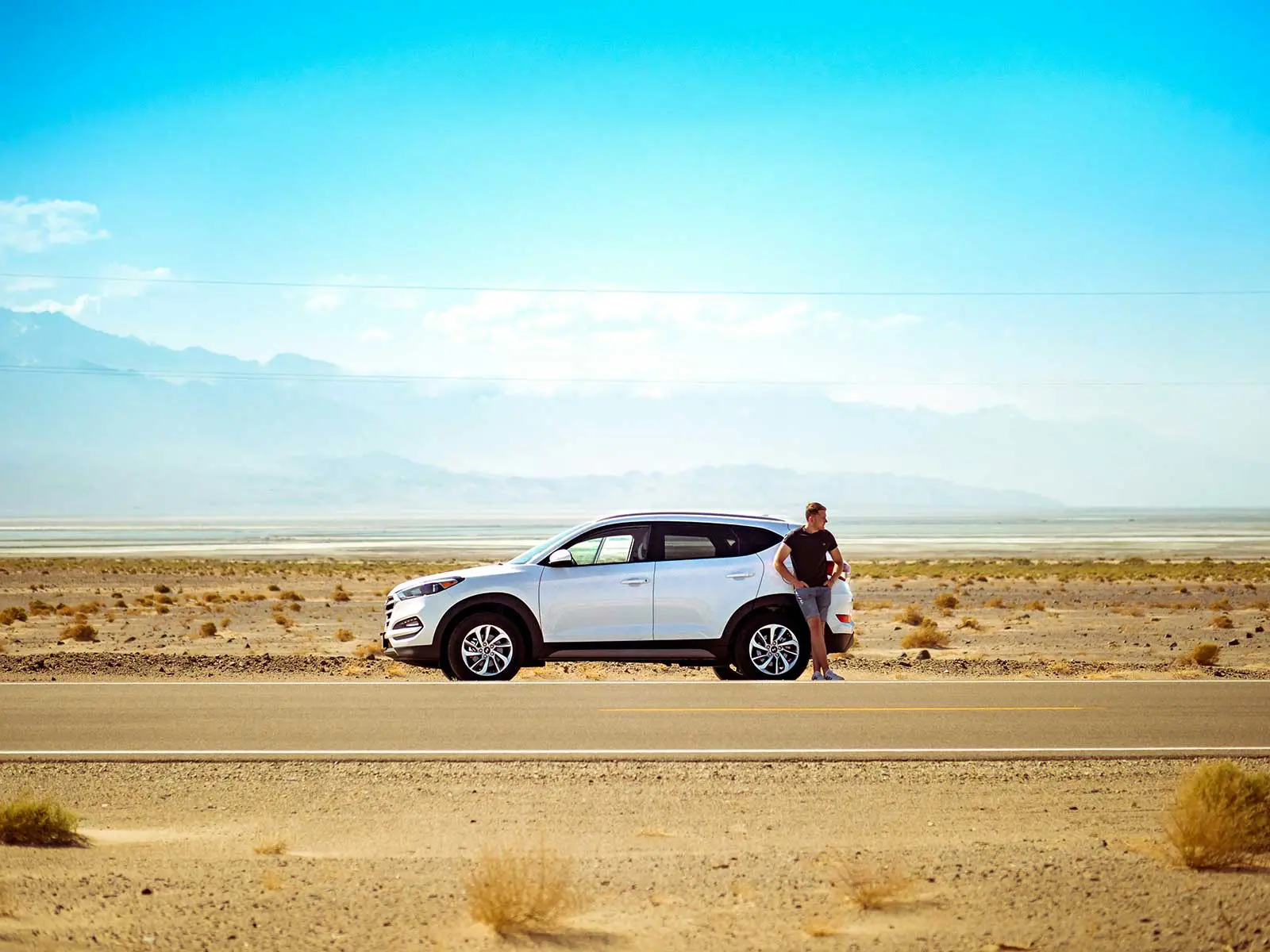
If you don’t drive very often—perhaps you work from home or primarily use public transportation—pay-per-mile insurance could be a cost-saving option. This type of policy charges you based on how much you drive, rather than a flat rate, which can significantly reduce your premium if you drive fewer miles than the average driver.
7. Improve Your Credit Score
In most states, your credit score plays a role in determining your insurance premium. A poor credit score can increase your premium by up to 76%. Improving your credit by paying off debt and managing bills on time can lead to lower rates when it’s time to renew.
8. Drop Coverage on Older Cars
If you’re driving an older vehicle, it might not make sense to carry collision or comprehensive coverage. These coverages pay for repairs or replacement if your car is damaged or stolen, but if your vehicle’s value is low, the cost of these premiums could outweigh the payout you’d receive after a claim.
Pro tip: Use a car valuation tool like Kelley Blue Book to determine your car’s current value. If the cost of coverage is close to or higher than the car’s worth, it might be time to drop those policies.
9. Review Your Policy Regularly
Your life changes—so should your insurance. Review your policy annually or after any major life event like moving, getting married, or paying off your car loan. Many insurers offer discounts for things like moving to a safer neighborhood, getting married, or even hitting a certain age milestone.
Final Thoughts
Getting cheaper auto insurance is all about being proactive. Know what coverage you actually need, shop around, and take advantage of every discount you qualify for. By making informed decisions, you can significantly lower your premium while still maintaining the right level of protection for your vehicle and lifestyle.
