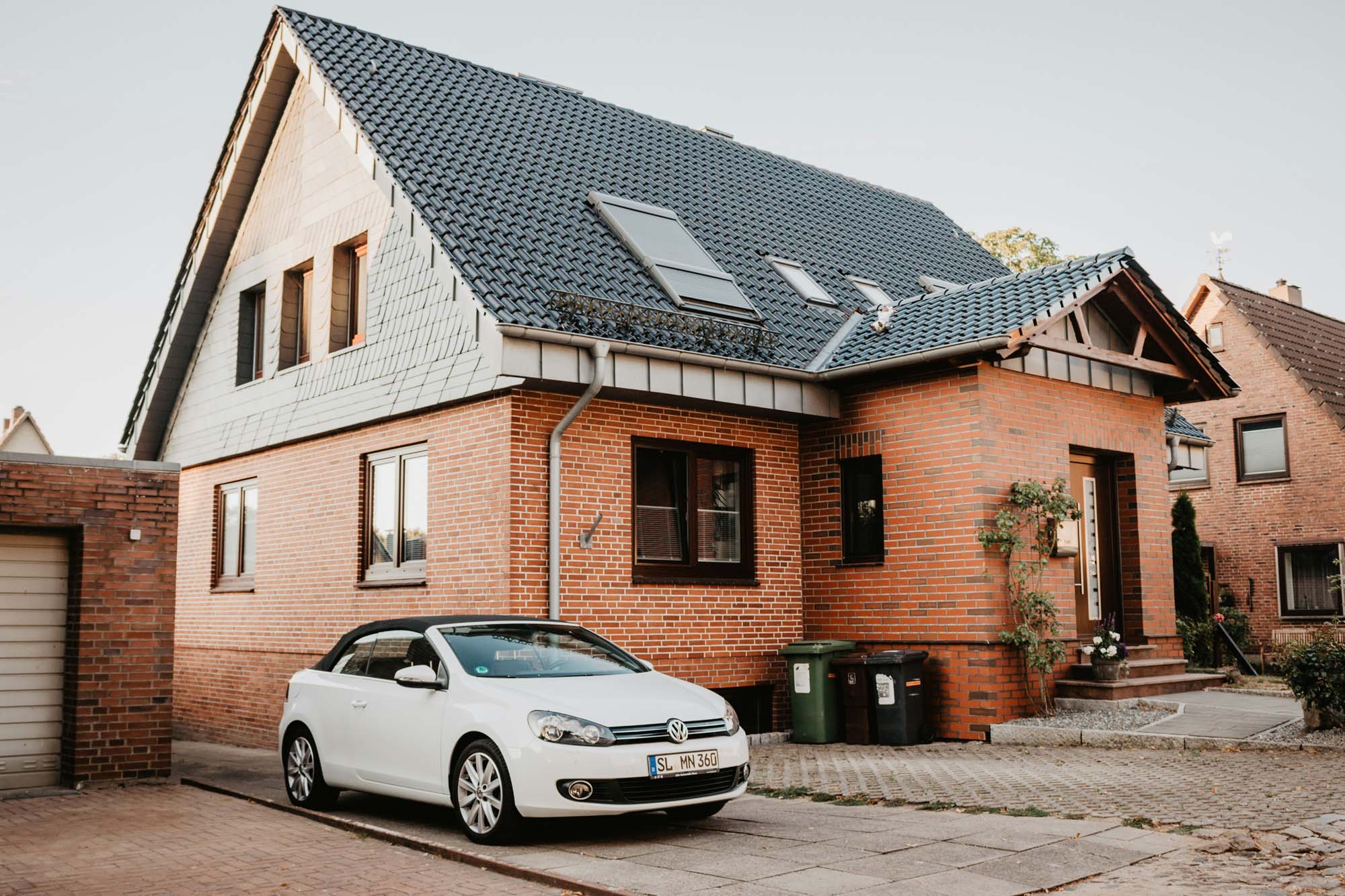
Managing multiple insurance policies can be costly and complicated, but bundling your auto and home insurance with the same provider offers a simple way to save money while streamlining your coverage. Many insurance companies reward policyholders with significant discounts when they purchase multiple types of coverage under one roof.
If you own a home and a vehicle, bundling your policies could lead to lower premiums, added conveniences, and enhanced coverage options. Here’s how bundling works and why it might be the right move for you.
What is Insurance Bundling?
Insurance bundling refers to purchasing two or more insurance policies from the same provider. The most common bundle involves auto and homeowners insurance, but some companies also allow you to combine renters, motorcycle, life, or umbrella insurance policies.
Insurance companies offer bundling discounts to encourage customer loyalty, making it a win-win situation: policyholders get reduced rates, while insurers retain more business.
The Benefits of Bundling Auto and Home Insurance
1. Significant Cost Savings
The biggest advantage of bundling policies is the potential for lower premiums. Many insurers offer discounts of 10% to 25% when you bundle home and auto insurance, which can add up to hundreds of dollars in savings each year.
To maximize savings:
- Compare quotes from multiple insurers to see which company offers the best bundling discount.
- Review your policy annually to ensure you are still getting the best rate.
- Ask about additional loyalty or multi-policy discounts.
2. Simplified Policy Management
Having both your home and auto insurance with the same provider means fewer bills to track and a single point of contact for all your insurance needs. This can make it easier to:
- Manage your payments and renewals.
- Update or make changes to your policies.
- File and track claims more efficiently.
Some insurers even offer one deductible for both policies in certain situations, meaning if a single event damages both your home and car, you may only have to pay one deductible instead of two.
3. Better Coverage Options
Bundling may provide access to enhanced coverage benefits, such as:
- Higher coverage limits at a lower price.
- Extended liability protection across both home and auto policies.
- Additional perks, such as accident forgiveness or disappearing deductibles.
When bundling, be sure to review all coverage options to ensure that you are getting the best protection for your needs.
4. Increased Loyalty Perks
Many insurance providers offer additional benefits for long-term customers who bundle their policies. These perks can include:
- Priority customer service
- Lower rate increases over time
- Additional discounts for staying claim-free
If you are planning to stick with the same insurer for several years, bundling can make even more financial sense.
When Bundling Might Not Be the Best Option

While bundling offers many advantages, it is not always the most cost-effective choice. Consider these potential drawbacks:
- Better individual rates elsewhere – Some insurers offer lower standalone rates for auto or home insurance, even after bundling discounts are applied. It’s important to compare individual policy rates before deciding.
- Coverage limitations – Some bundled policies may come with restrictions or reduced coverage options that do not fit your needs. Always review the fine print before making changes.
- Not all insurers bundle all policies – If you need additional coverage for a motorcycle, boat, or rental property, some providers may not allow you to bundle these policies.
Before committing to a bundled policy, get quotes from multiple providers to ensure you are receiving the best overall deal.
How to Bundle Your Auto and Home Insurance
If you are considering bundling your policies, follow these steps to get started:
- Review Your Current Coverage – Take a close look at your existing home and auto policies to understand your current premiums, deductibles, and coverage limits.
- Get Quotes from Multiple Insurers – Shop around to compare rates and bundling discounts from at least three providers.
- Ask About Additional Discounts – Some insurers offer extra discounts for factors such as having a security system in your home, being a safe driver, or maintaining good credit.
- Evaluate the Terms – Make sure the bundled policy meets your coverage needs without unnecessary restrictions.
- Make the Switch – If you find a better deal, work with the new insurer to transition your policies smoothly, ensuring no lapse in coverage.
Final Thoughts
Bundling your auto and home insurance can be a smart financial move, offering lower premiums, better coverage, and easier policy management. However, it’s important to compare rates, evaluate coverage options, and ensure you’re truly getting the best value before making the switch.
Taking the time to explore bundling options now can lead to long-term savings and peace of mind. If you haven’t reviewed your insurance policies in a while, now is a great time to see if bundling can help you cut costs while keeping your home and vehicle protected.
